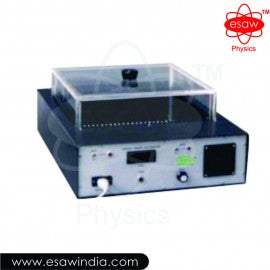
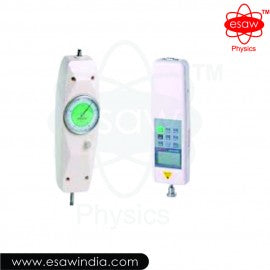
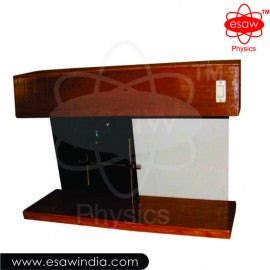
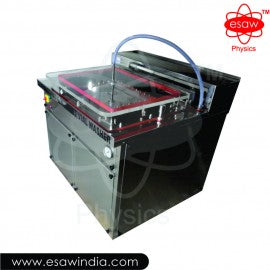
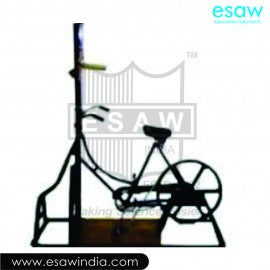
The Bicycle Algometer is a specialized physiological instrument used extensively in medical research and sports science to quantify pain thresholds and pressure sensitivity during physical exertion. Designed for high precision, the Bicycle Algometer allows researchers to monitor how the human body responds to various pressure points while engaged in a controlled cycling motion. This dual-action assessment makes the Bicycle Algometer an essential tool for understanding the correlation between physical fatigue and pain perception.
Constructed with high-quality ergonomic components, this device ensures consistent results across multiple testing sessions. It is often integrated into broader pharmaceutical and clinical setups alongside instruments like the ESAW Polygraph NU-239C to provide a comprehensive view of a subject's physiological state. The Bicycle Algometer is built to withstand rigorous laboratory use while maintaining the sensitivity required for delicate clinical trials.
Technical Specifications
The Bicycle Algometer (Model NU-208) features industry-standard calibrations for medical accuracy:
-
Pressure Range: High-sensitivity sensors for precise incremental loading.
-
Ergonomics: Adjustable bicycle-style frame to accommodate various body types.
-
Display: Integrated gauge for real-time pressure monitoring.
-
Build Material: Corrosion-resistant heavy-duty frame for long-term durability.
-
Compatibility: Can be synchronized with external recording systems.
Core Uses & Applications
Primarily utilized in neurophysiology and physiotherapy, the Bicycle Algometer is used to determine the exact moment pressure becomes painful for a patient during exercise. It is a vital instrument for studying chronic pain syndromes, the efficacy of analgesic drugs, and the impact of exercise-induced endorphins on pain tolerance. Scientific institutions utilize this equipment for mapping pressure-pain thresholds in athletes and rehabilitation patients alike.
Related Keywords
Bicycle Algometer, Pressure Pain Threshold, Algometer NU-208, ESAW Algometer, Pain Measurement Device, Clinical Algometry, Pressure Sensitivity Tester, Neurophysiology Equipment, Sports Science Lab Tools, Physiological Testing Instrument, Human Pain Threshold Mapping, Ergonomic Algometer, Medical Pressure Gauge, Labend Pharmacy Equipment, Muscle Sensitivity Tester, Research Grade Algometer, Exercise Pain Study, Quantitative Sensory Testing, Algometer for Athletes, Laboratory Pressure Probe, Tissue Processing Tools, Clinical Polygraph Integration, Medical Research Shaker, Tincture Press Applications, Pharmaceutical Testing, Bone Cutting Precision, Volume Recording Lab, Variable Interrupter Control, Telethermometer Monitoring, Autopsy Table Equipment, Varnish Tray Supplies, Tablet Polishing Solutions, Tissue Processing Unit, ESAW Laboratory Tools, High Precision Algometer, Scientific Pressure Sensor, Physiotherapy Assessment, Chronic Pain Research, Analgesic Testing Device, Medical Grade Cycle Algometer, Labend Scientific Gear, Pressure Algometry Techniques, Diagnostic Pain Tools, Human Performance Lab, Bio-Medical Instruments, Sensory Testing Gear, Lab Pressure Monitors, ESAW Pharmaceutical Tools, Advanced Algometry Systems, Pain Tolerance Assessment.
Quick Access: Related Pharmaceutical Equipment
Frequently Asked Questions (FAQ)
1. How does the Bicycle Algometer measure pain threshold?
It applies controlled pressure to specific muscle groups while the subject is cycling, recording the exact pressure level when the subject identifies the sensation as pain.
2. Is the device adjustable for different heights?
Yes, the Bicycle Algometer features a fully adjustable seat and handlebar system to ensure correct posture for all adult subjects.
3. Can it be connected to a data logger?
Absolutely. Most modern units are compatible with physiological recording systems like polygraphs for synchronized data analysis.
4. Does the pressure sensor require regular calibration?
To maintain medical-grade accuracy, we recommend annual calibration of the pressure gauge to ensure consistent readings.
Global Target Markets: United States (USA), United Kingdom (UK), India, Germany, Canada, Australia, United Arab Emirates (UAE), Saudi Arabia, Singapore, France, Japan, Italy, Brazil, Mexico, Switzerland, Netherlands, Sweden, South Korea, China, Russia, Spain, and more.