-
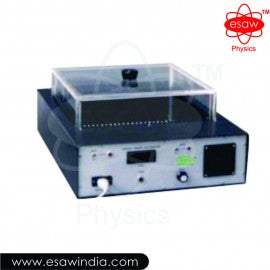
Actophoto Meter
Regular price Rs. 12,500.00 -
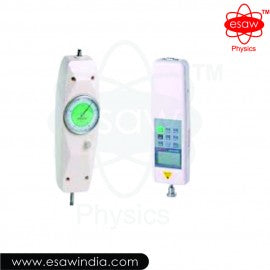
Algometer
Regular price Rs. 5,563.00 -
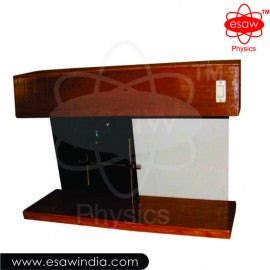
Ampoule Clarity
Regular price Rs. 4,750.00 -
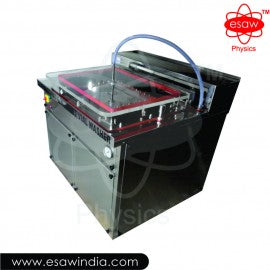
Ampoule Washing
Regular price Rs. 4,375.00
-
Lab Equipments
- Back
- Biological Microscopes
- Biological Safety Cabinets
- Dispenser
- Electrophoresis Systems
- Environmental Chambers and Cabinets
- Fume Hood Cupboard
- Gloves
- Hot Plate Stirrers and Magnetic Stirrers
- Incubators and Ovens
- lab Centrifuges
- Lab Refrigerators and Freezers
- Pharmaceutical Equipments
- Pipette stands
- Shakers
- Ultrasonic Baths
- Vacuum Pumps and Concentrator
- Lab Instrument
- Lab Glassware
- Lab Plasticware
- Lab Consumables
-
Lab & Blood Bank Instruments
- Back
- Autoclave Machines
- Bio-Chemistry Analyzers
- Biosafety Cabinets
- Cold Storage Rooms and Chambers
- Colorimeters and Calorimeters
- Fume Hood
- Gel Card Centrifuges and Incubators
- Hematology analyzer
- Laminar Air Flows
- Mass Spectrophotometer
- Microplate Readers and Washers
- PCR and Real Time PCR
- Pharmaceutical Instruments
- Refrigerated and Heating Circulators
- Water and Soil Analysis Kit
Brands
Brands